Teach a useful piece of the work
A learning business under MissionDesign.com could help teams practise design on a problem they recognize. The founder would choose a narrow learning promise, such as turning an uncertain idea into a testable prototype. That is easier to plan and evaluate than a broad session promising to make everyone more creative. Participants should leave able to perform a particular task with their own colleagues.
A first audience might be small organizations whose staff regularly improve services but have no dedicated design team. They already know the operational problems. What they need is a way to frame a question, make an idea tangible and learn from someone trying it. The workshop can introduce that sequence through a manageable example before participants apply it to their own work.
Build the session around a real decision
Imagine a team planning a better welcome for new volunteers. The workshop brief could ask how a first-time volunteer finds the right place, understands their first task and knows whom to ask for help. The learning goal is to turn that journey into something testable. Participants might make a simple welcome message and a short role-play of the arrival experience.
Keep the scope small enough to reach a decision during the session. A team trying to redesign its entire volunteer program will spend most of the time explaining context. A team testing the first ten minutes can make choices, observe a trial and revise its idea. The founder's preparation should identify this useful slice with the client before the workshop begins.
Give each activity an output
A practical agenda could begin with accounts of recent experiences, then move to one agreed problem, several possible responses and a prototype. Each activity needs a visible output that feeds the next. Ask participants to record what happened in a real situation before they suggest improvements. This keeps the session connected to evidence and gives quieter participants an entry into the discussion.
The Double Diamond from the Design Council offers a useful distinction between opening up possibilities and narrowing them. A facilitator can use that rhythm without turning the workshop into a lecture about a process diagram. Give exploration enough time, then make the criteria for choosing an idea explicit.
Plan for different ways of participating
Before the session, ask about access needs, available equipment and familiarity with the topic. Provide the agenda and any essential reading in advance. During activities, offer time to think individually before group discussion. Explain what a finished output might look like, and make room for spoken, typed or drawn contributions when those forms serve the exercise.
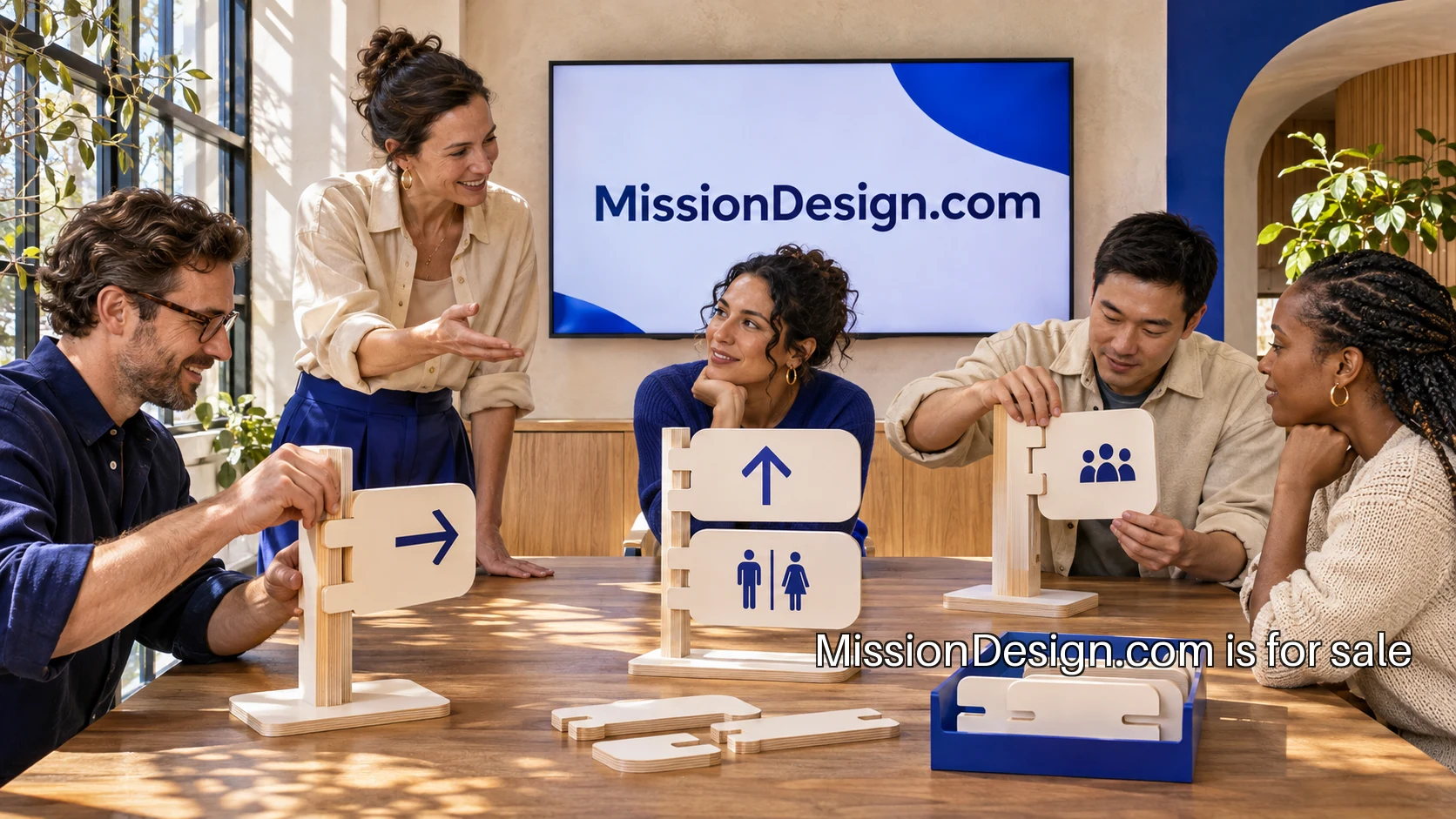
A workshop should not reward the person who can sketch fastest or speak loudest. The facilitator's job is to help the group make a useful decision. Assign simple roles during a test: one person introduces the task, another observes and another records what happens. Rotating those roles lets participants experience different parts of the method and see why each matters.
Let a trial change the idea
A prototype exercise becomes memorable when the group learns something unexpected. Invite someone unfamiliar with the proposed welcome to try the sequence. Give them a believable situation without explaining how the team wants them to respond. Notice the language they use, where they hesitate and what information they ask for. Then leave enough time for the team to revise the prototype.
The GOV.UK usability testing guidance is a useful reference for writing neutral tasks. In a workshop, the facilitator can demonstrate the difference between asking a person to find something and telling them exactly where to click. Participants learn the method through the effect it has on the evidence they collect.
Make the follow-through part of the offer
Send participants away with their working materials, a short method guide and one agreed next action. The client might choose to test the revised welcome with the next intake of volunteers. A follow-up session can review what happened and help the team decide whether to continue, change direction or investigate another part of the journey. That provides continuity without making the first workshop too large.
The founder could develop a small series around problem framing, prototyping and useful critique. Each session would have a clear audience, preparation requirement and practical outcome. MissionDesign gives the series a consistent identity as the teaching offer develops. A case study could show the team's starting question, the prototype it made and the next action it chose, creating a portfolio of learning that led to real design work.
The first workshops could reach buyers through regional business networks and professional learning coordinators. A short demonstration session at an existing team meeting gives the organizer a way to try the format before commissioning a focused workshop for a real project.